




In recent years, the breads with natural fermentation have increasingly gained market share, winning over consumers seeking healthier foods as well as those who appreciate unique flavors. This production method, based on traditional processes and the use of sourdough, is not new; rather, it's an ancient technique that has been revived and refined by the baking industry.
The great differential of natural fermentation bread is that it combines nutritional benefits and better digestibility with a unique flavor and aroma, resulting from the action of microorganisms naturally present in the grains and in the environment.
But after all, what makes the natural fermentation So special? How is it made, what types are there, and what are the real benefits for health and the baking industry? That's what we'll explore in this article, highlighting how this technique can be a great ally in producing quality, value-added bread.
How is natural fermentation done?
A natural fermentation is a biological process in which microorganisms, mainly lactic acid bacteria and yeast, transform sugars present in flour into gases and organic acids.
For this, the so-called sourdough is used, which is prepared from a mixture of flour and water and is fed daily until it reaches ideal fermentation activity.
Controlling temperature, time, and ingredient proportions is essential to ensuring the quality of the final product. More than a simple process, it's a true symbiosis of tradition and science, giving rise to natural fermentation bread as we know it today.
Why is natural fermentation better?
Many consumers ask themselves: why choose breads with natural fermentation instead of those produced with rapid industrial fermentation? The answer lies in the benefits this process brings, both for health and for the sensory experience.
O natural fermentation bread It has a lower glycemic index, which means that its digestion releases glucose more slowly into the bloodstream, providing greater satiety and contributing to a balanced diet.
Additionally, the acids produced during fermentation help improve the bioavailability of minerals such as iron, magnesium, and zinc, making them easier for the body to absorb.
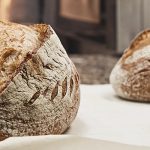
From a sensory point of view, the natural fermentation It gives the bread a slightly acidic flavor and a characteristic aroma, combined with a soft, moist crumb texture and crispy crust, similar to Italian bread and ciabatta. However, sourdough is very versatile and can also be used in sliced bread, hot dogs, hamburgers, rolls, and more. These attributes differentiate the products in the market, adding value and building customer loyalty.
Does natural fermentation eliminate gluten?
One of the most common questions about the natural fermentation is whether it eliminates gluten. The answer is: no, it doesn't eliminate gluten completely. What happens is that during the process, some of the gluten is degraded by enzymes and acids produced by microorganisms.
This partial break makes the natural fermentation bread lighter and easier to digest for many people.
However, it is important to emphasize that people with celiac disease cannot consume breads with natural fermentation, since gluten remains present, even if in smaller quantities.
For these consumers, only breads made with naturally gluten-free flours are safe. Still, for most people, natural fermentation represents a healthier and more balanced option compared to industrialized breads. In this context, it's important to note that there are also gluten-free options. gluten-free sourdough. Through the partnership with Böcker, PMAN can offer customers this type of product in specific cases, ensuring safe and quality alternatives.
Benefits of sourdough bread
Before detailing each aspect, it is important to highlight that the breads with natural fermentation combine advantages that go beyond their distinctive flavor. This ancient process, when applied with modern techniques, results in more nutritious products and a sensory profile that pleases the most discerning consumers.
Furthermore, natural fermentation brings benefits to the entire production and consumption chain, reducing waste and strengthening the perception of quality associated with brands that invest in this method.
Sensory differential
O natural fermentation bread It's recognized for its moist crumb and complex aroma. These attributes win over consumers and become a competitive advantage for bakeries and industries looking to offer higher-value products.
Nutritional value
Thanks to natural fermentation, minerals such as iron, zinc, and magnesium become more bioavailable, while antinutrients present in grains are reduced. This makes breads with natural fermentation more nutritious, in line with the growing search for healthy and functional foods.
PMAN: your partner in quality bakery products
A natural fermentation It is not just a trend, but a true return to the origins of baking, now strengthened by scientific knowledge and technological innovation.
For industries and bakeries, adopting this process is a way to differentiate themselves in the market and win over increasingly demanding consumers.
At PMAN, we are specialists in solutions for the production of bakery products, supporting companies that want to add value to their products through natural fermentation.
Our technical team is ready to provide guidance on everything from formulation to best conservation and safety practices, always focusing on the performance and profitability of your business.
Do you want to take your products to a new level with the use of natural fermentation? Contact PMAN and discover how we can help your brand grow with quality, innovation and tradition.