



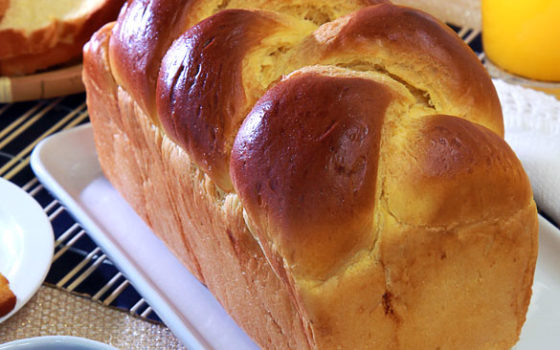
Few breads carry as much history, symbolism, and sophistication as brioche. Known for its soft texture, buttery aroma, and delicate flavor, it has traversed centuries to become an icon of world baking. But do you really know...? where did the brioche come from And how did he become so special?
In this article, we will explore the origin, meaning, and interesting facts surrounding this much-loved bread.
"If they have no bread, let them eat brioche."
The famous phrase "If they have no bread, let them eat brioche." It is often attributed to Queen Marie Antoinette. According to legend, she said this upon learning that the French people were starving, lacking access to bread, a staple food at the time.
However, many historians argue that this phrase probably It was never said by Marie Antoinette.She actually appears in texts by the philosopher Jean-Jacques Rousseau, written even before the queen arrived in France.
In his work, Rousseau mentions that a princess, without naming names, used this expression upon learning of the people's misery.
In other words, the phrase became a symbol of the nobility's disconnect from reality, but its authorship is still debated today.
What is brioche?
Brioche is a type of enriched bread, known for its extremely soft texture and slightly sweet flavor. Unlike traditional breads, it contains... a large quantity of butter and eggs in its composition, which gives it its delicate structure and distinctive aroma.
Its name comes from the French verb "broyer", which means "to work the dough," referring to the artisanal preparation process.
What is the origin of brioche?
Although widely associated with France, brioche originated specifically in the region of Normandiaaround the 16th century. This region was famous for its high production of butter and eggs, ingredients that became the basis of the recipe.
Over time, brioche spread throughout the country and gained various variations in shape, filling, and presentation. It can be found in sweet, savory, filled, covered, or even simply served versions.
A bread that has spanned generations.
In France, there is the expression "Good as bread", which means "Good as bread." It reinforces the symbolic importance of this food in French culture not only as sustenance, but also as tradition, affection, and identity.
Brioche is considered one of the most emblematic traditional breads of France. Its originality lies in the combination of... tenderness, flavor and aroma, creating a unique sensory experience.
The industrial-scale production of brioches demands precise control of fermentation, structure, and softness. Appropriate technological solutions are essential to guarantee standardization and shelf life.
Want to learn more about our products and solutions? Talk to PMAN and discover how we can meet your needs.

