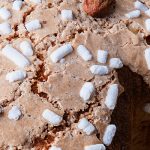





Rustic breads add perceived value, increase the average order value, and expand consumption possibilities within the point of sale. More than just a product, they represent a sensory experience.
For industries and bakeries, working on strategic pairings is a smart way to stimulate new consumption occasions and strengthen their premium positioning.
In this article, we present classic combinations for Italian bread, focaccia, and ciabatta, three icons of rustic breadmaking.
Italian bread: firm structure for intense combinations.
Italian bread is known for its crispy crust, soft crumb, and slightly acidic flavor. Its structure allows it to absorb liquids without losing consistency, making it ideal for moister dishes.
The most traditional pairing is with soups and broths. The balanced acidity of the bread complements preparations such as minestrone, caldo verde (Portuguese green soup), and cheese creams. The contrast between the crispy exterior and soft interior enhances the sensory experience.
Another classic application is fondue served in the bread itself. By removing part of the crumb and using the crust as a container, a sophisticated and functional presentation is created. The combination of intense cheeses with the slight acidity of the bread results in aromatic balance and a unique texture.
For bakeries and food service operations, this strategy increases added value and encourages shared consumption.
Focaccia: aroma and texture that enhance appetizers.
Traditional focaccia, especially the version with rosemary and coarse salt, has a distinctive aromatic profile and a soft texture with a slightly crispy surface.
Since it already contains salt in its coating, the care taken with pairing it with food is technical: it is essential to balance the sodium content of the side dishes.
A classic pairing is with eggplant antipasto. The richness of the olive oil and the slight acidity of the preparation complement the herbal aroma of the focaccia. The contrast between the internal softness and texture of the vegetables intensifies the perception of quality.
Focaccia also pairs well with fresh cheeses, chickpea pastes, confit tomatoes, and light charcuterie. For retailers, this versatility allows for the creation of ready-to-eat kits, increasing profit margins and enhancing the customer experience.
Ciabatta: irregular air pockets and culinary versatility
Ciabatta stands out for the high hydration of its dough, which creates a crumb with large, irregular air pockets, as well as a thin, crispy crust. This structural characteristic favors the absorption of oils, sauces, and natural juices from fillings.
It's an extremely versatile bread for gourmet sandwiches. Combinations with Parma ham, arugula, and sun-dried tomatoes explore the contrast between saltiness, freshness, and acidity. Finishing with olive oil enhances its juiciness and aroma.
Due to its lightness and open structure, ciabatta also pairs well with aged cheeses, grilled vegetables, and smoked proteins.
For commercial operations, this is a product with high potential for customization and differentiation.
Harmonization as a positioning strategy
Suggesting combinations isn't just about culinary inspiration. It's a business strategy. By guiding consumers on how to enjoy the product, the bakery increases the average purchase value, strengthens its brand image, and creates new purchasing opportunities.
Furthermore, working with rustic breads requires a solid technical foundation. Well-executed processes ensure proper crispness, aromatic development, and a stable texture.
This is where the importance of choosing the right inputs and technological solutions comes in.
The technical basis behind high-performance rustic breads.
The production of breads such as Italian bread, focaccia, and ciabatta requires control of fermentation, gluten development, and a balance between hydration and structure.
A PMAN It offers complete solutions for this segment, including liquid and powdered sourdough starters, as well as enzymatic technological cores that contribute to:
- flavor development
- texture stability
- standardization of alveoli
- fermentation control
- increased shelf life
With expertise in natural fermentation and technology applied to baking, the PMAN It supports industries and bakeries in the production of rustic breads with high sensory standards and industrial consistency.
Transform harmonization into a competitive advantage.
Rustic breads have a strong emotional and gastronomic appeal. When strategically combined with appropriate accompaniments, they become powerful tools for differentiation.
But to delight the consumer, it is necessary to guarantee technical excellence from formulation to the point of sale.
Do you want to develop a line of rustic breads with high sensory quality and industrial performance?
Speak to a PMAN specialist. Discover how to boost your production with technology, natural fermentation, and integrated solutions.